
A wooden fence is more than a property boundary, it is an investment in privacy, safety, and curb appeal. In a city like New Orleans, fencing plays an especially important role due to the region’s unique climate, dense neighbourhoods, and architectural charm.
A well-designed wood fence can provide security for families, define outdoor spaces, and enhance the classic Southern aesthetic many homeowners love. Whether you’re installing a new fence for privacy or replacing an older structure damaged by weather, understanding how fencing works in New Orleans, from materials and climate considerations to regulations and maintenance can help ensure your project is successful.
This comprehensive guide explores everything homeowners should know about installing a wood fence in New Orleans, including benefits, materials, styles, costs, local regulations, and maintenance best practices.
Why Wood Fencing Remains Popular in New Orleans
Wood fences have remained one of the most widely used fencing solutions for residential properties across Louisiana. Despite the rise of vinyl and metal fencing, many homeowners still prefer wood because of its natural beauty and versatility.
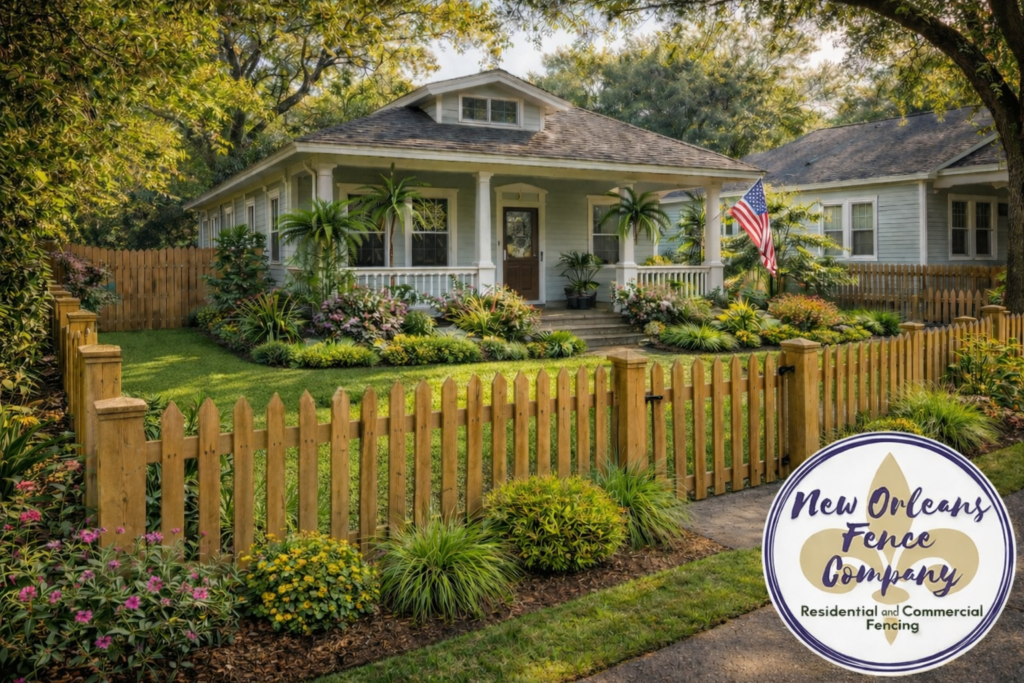
Key Advantages of Wood Fencing
1. Natural Aesthetic Appeal
Wood fences provide a warm, organic appearance that blends seamlessly with the architectural styles found throughout New Orleans—from historic Creole cottages to modern homes. Unlike synthetic materials, wood has a timeless charm that can be customized with stains, paints, and decorative elements.
2. Excellent Privacy
Privacy is one of the top reasons homeowners install a fence. Solid wood panels or closely spaced pickets can create a private outdoor environment for families, pets, and gatherings.
3. Design Flexibility
Wood fencing can be customized in numerous styles and heights, including:
• Privacy fences
• Shadowbox fences
• Picket fences
• Board-on-board designs
• Decorative lattice-top fences
Because wood can be cut and shaped easily, it allows homeowners to create unique designs that complement their property.
4. Cost-Effective Option
Compared with many other fencing materials, wood is typically more affordable. In New Orleans, wood fencing projects often range from around $2,000 to $7,000 depending on size, materials, and complexity.
The Unique Climate Challenges for Fences in New Orleans
When planning a fence in New Orleans, it’s essential to consider the local climate. The city’s environment can be tough on outdoor structures.
Humidity and Moisture
New Orleans has high humidity levels year-round. Excess moisture can lead to wood rot, mold growth, and warping if materials are not properly treated or sealed.
Pressure-treated lumber is commonly recommended for fencing in this region because it is designed to resist moisture, insects, and decay.
High Water Table
Another factor unique to the area is the city’s high water table. In many parts of New Orleans, groundwater is close to the surface, meaning fence post holes can reach water quickly during installation.
Because of this:
• Fence posts must be properly anchored in concrete.
• Professional installation helps ensure long-term stability.
• Drainage and soil conditions should be considered.
Storms and Strong Winds
New Orleans is no stranger to hurricanes and tropical storms. Fences must be built with strong posts, quality hardware, and proper spacing to withstand heavy winds.
Many professional contractors recommend:
• 4×4 or 6×6 posts
• Deep concrete footings
• Reinforced gates
These construction methods help ensure the fence remains stable even during severe weather.
Best Types of Wood for Fencing
Choosing the right type of wood is crucial for longevity. Not all lumber performs equally well in Louisiana’s humid environment.
Pressure-Treated Pine
Pressure-treated pine is one of the most common materials used for fencing in New Orleans.
Benefits include:
• Resistance to rot and insects
• Affordability
• Easy availability
• Strong structural performance
This wood is treated with preservatives that protect it from moisture damage.
Cedar
Cedar is another excellent fencing material. It is naturally resistant to insects and decay, and it has a distinctive reddish color that many homeowners find attractive.
However, cedar fences typically cost more than pine.
Cypress
Cypress is also popular in Louisiana because it naturally resists moisture and insects. Historically, it has been widely used in regional construction.
Each wood type has advantages, but proper treatment and maintenance are key to ensuring a long-lasting fence.
Popular Wood Fence Styles in New Orleans
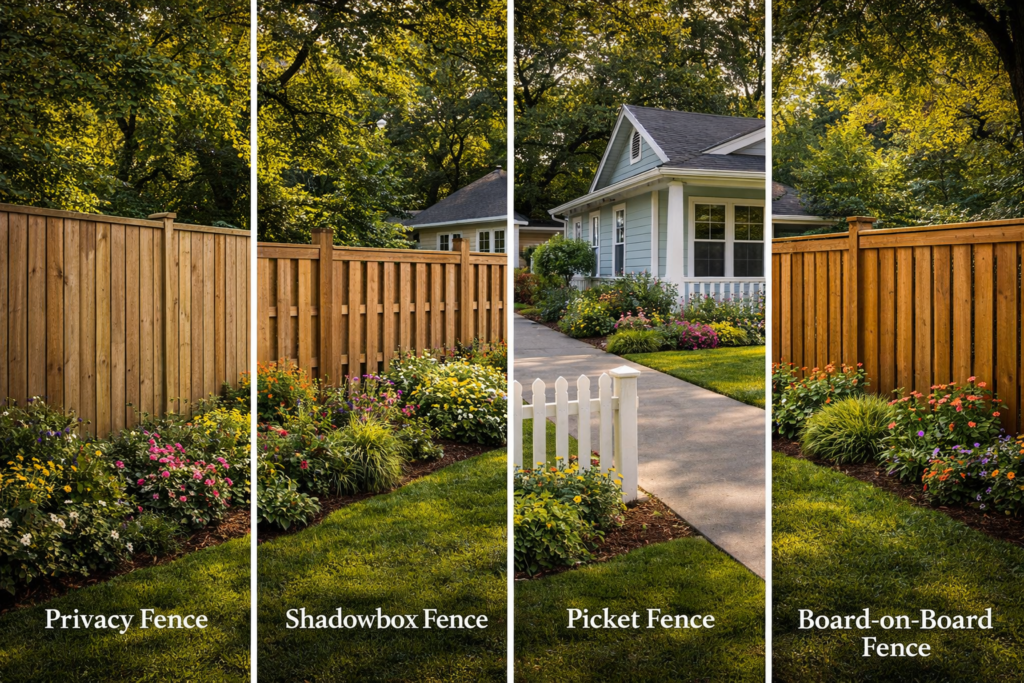
Because the city blends historic charm with modern living, homeowners often choose fencing styles that complement the surrounding architecture.
Privacy Fence
Privacy fences are among the most common choices for residential properties.
Features include:
• Tall panels (usually 6–7 feet)
• Solid construction
• Minimal gaps between boards
They provide maximum privacy and noise reduction.
Shadowbox Fence
Shadowbox fencing has boards alternating on each side of the rails.
Advantages include:
• Attractive appearance from both sides
• Improved airflow
• Reduced wind resistance
This style works well in windy environments like New Orleans.
Picket Fence
Picket fences are iconic and often used for front yards.
Benefits include:
• Classic aesthetic
• Visibility for safety
• Decorative charm
They are especially common in historic neighborhoods.
Board-on-Board Fence
Board-on-board fences overlap vertical boards, eliminating gaps.
Advantages include:
• Superior privacy
• Elegant appearance
• Increased durability
This style is often used for upscale residential fencing projects.
Fence Regulations and Permits in New Orleans
Before installing a fence in New Orleans, homeowners should familiarize themselves with local zoning rules and building regulations.
Fence Height Limits
Typical residential fence height limits include:
• Front yard fences: usually around 4 feet
• Side or backyard fences: typically 6–7 feet
These limits help maintain visibility and neighborhood aesthetics.
Some ordinances allow fences up to 8 feet in height, though specific zoning rules may apply.
Permit Requirements
In many cases:
• Fences under 8 feet that comply with zoning regulations may not require a permit.
• Taller fences often require building approval.
However, rules can vary depending on:
• Historic districts
• Flood zones
• Property location
Consulting local authorities or a professional fencing contractor can help ensure compliance.
Property Line Considerations
Louisiana law treats a fence on a boundary line as a shared or “common” fence, meaning both property owners may share responsibility for its maintenance and costs.
For this reason, it is always wise to:
• Confirm property boundaries with a survey
• Communicate with neighbors before installation
This can help avoid disputes later.
The Fence Installation Process
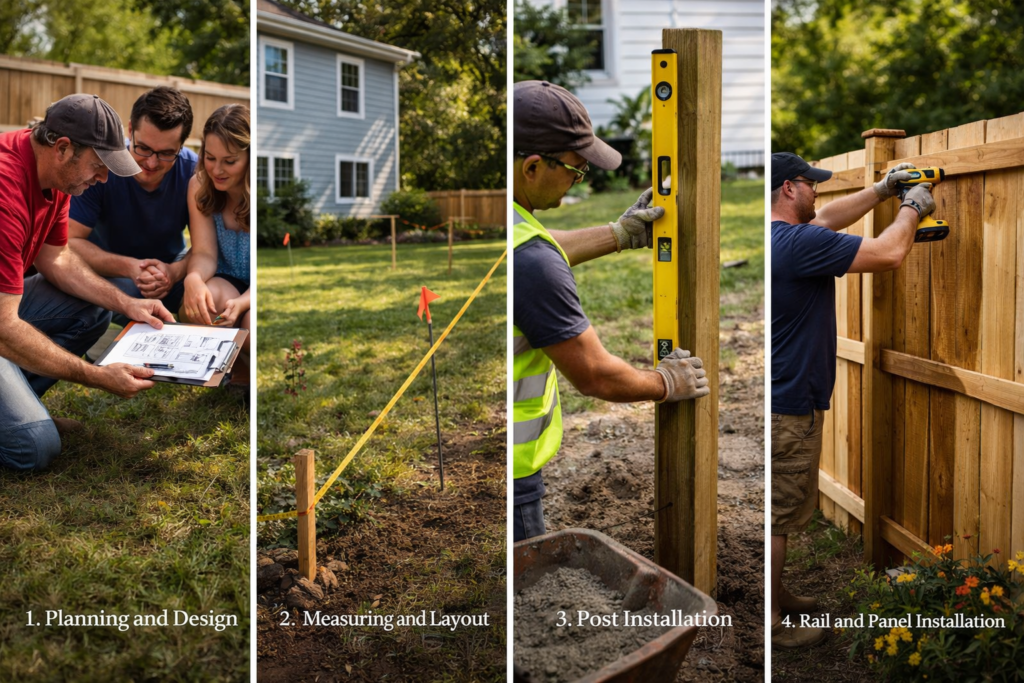
Installing a wood fence involves several important steps.
1. Planning and Design
Homeowners must determine:
• Fence location
• Height and style
• Gate placement
• Materials
Professional contractors often help design fences that comply with local regulations.
2. Measuring and Layout
The property is measured and marked to determine where posts will be installed.
This stage also ensures the fence aligns with property lines.
3. Post Installation
Fence posts are typically set in concrete to provide stability. In New Orleans, proper post installation is critical due to the soil and water table conditions.
4. Rail and Panel Installation
Horizontal rails connect the posts and support the fence boards.
5. Finishing
Finally, the fence may be stained, sealed, or painted to protect it from moisture and sunlight.
Maintaining a Wood Fence in New Orleans
Because of the humid climate, wood fencing requires regular maintenance.
Routine Maintenance Tips
1. Seal or Stain the Fence
Applying sealant or stain protects wood from moisture and UV damage.
2. Inspect for Rot or Insects
Termites and other insects can damage untreated wood.
Regular inspections help catch issues early.
3. Clean the Fence Periodically
Dirt, mold, and algae can accumulate on wood surfaces.
Gentle pressure washing or cleaning solutions can restore appearance.
4. Repair Loose Boards
Storms or aging may cause boards to loosen or warp.
Replacing damaged boards helps maintain structural integrity.
Consistent care can extend the lifespan of a wood fence significantly.
Benefits of Hiring a Professional Fence Contractor
While some homeowners attempt DIY fencing projects, professional installation often provides better results.
Advantages of Professional Installation
Expert Knowledge
Experienced contractors understand local soil conditions, climate challenges, and building regulations.
Proper Equipment
Fence installation requires specialized tools for digging, leveling, and securing posts.
Code Compliance
Professionals ensure the fence meets local New Orleans zoning and height regulations.
Long-Term Durability
Correct installation techniques help fences withstand storms, humidity, and soil movement.
Increasing Property Value With a Fence
A well-built fence can improve both the functionality and value of your property.
Potential benefits include:
• Increased curb appeal
• Improved security
• Defined outdoor living spaces
• Safer environment for children and pets
For buyers in urban areas like New Orleans, a private backyard can be a highly desirable feature.
Choosing the Right Fence Company in New Orleans
Selecting a reliable contractor is one of the most important steps in your fencing project.
When evaluating a fence company, consider:
• Licensing and insurance
• Experience with New Orleans properties
• Portfolio of completed projects
• Customer reviews and testimonials
• Warranty options
A reputable company will also provide a detailed estimate and explain the installation process.
Final Thoughts: Building the Perfect Fence in New Orleans
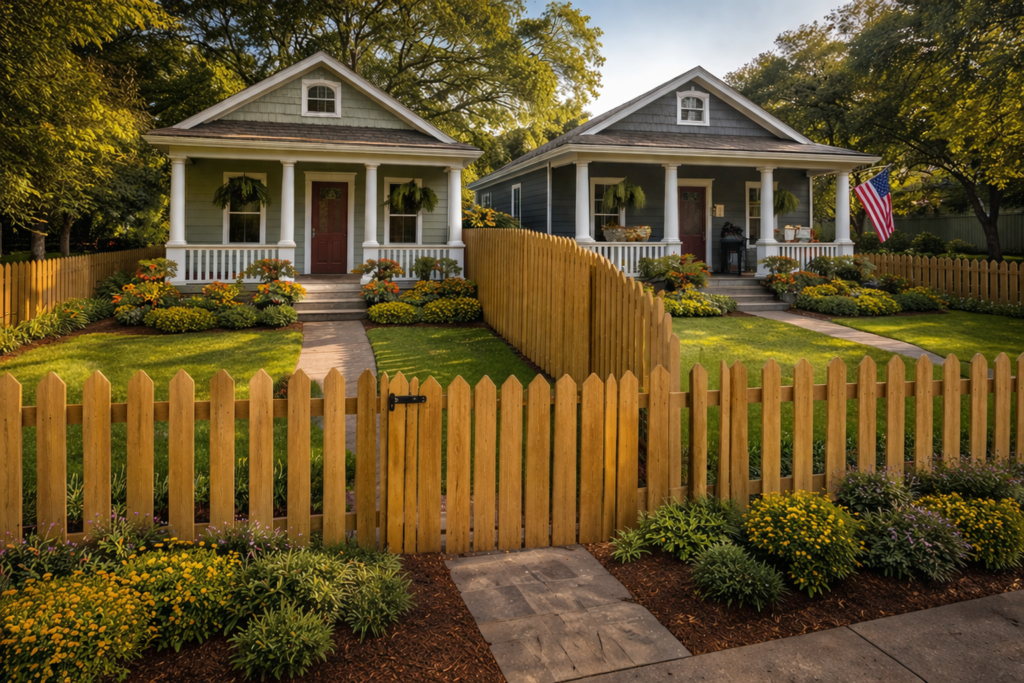
Installing a wood fence in New Orleans requires thoughtful planning, quality materials, and professional craftsmanship. The city’s humid climate, unique soil conditions, and zoning regulations make proper installation especially important.
When designed and built correctly, a wood fence offers:
• Beauty and architectural harmony
• Privacy and security
• Increased property value
• A welcoming outdoor space for family and friends
By choosing durable materials, following local regulations, and maintaining your fence properly, homeowners can enjoy the benefits of a beautiful and reliable fence for many years.
Whether you are upgrading your backyard privacy, enhancing curb appeal, or protecting your property, a well-constructed fence in New Orleans is an investment that combines functionality, style, and long-term value.